Click here for the 2005 edition of emeagwali.com.
 Emeagwali
[3rd, bottom right]
Emeagwali
[3rd, bottom right]
 Emeagwali voted African of the Year
Emeagwali Gift Store



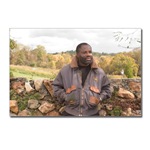

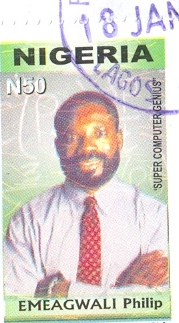
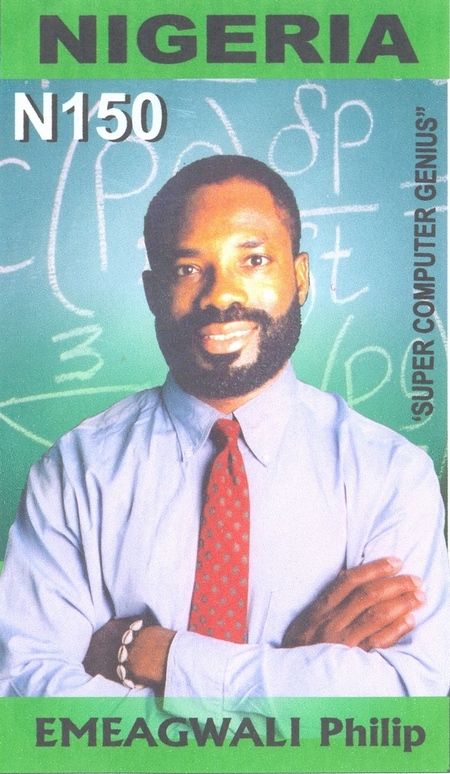
Emeagwali Stamps
Available at www.casb.co.uk, igpc.net,
and Nigerian post offices.
Denominations: 50 Naira (39 cents),
150
Naira
Collectors: contact us for autographed, cancelled, First Day issues and beautifully framed 8 x 10 prints.
- Oscar
Winner Denzel
Washington Asked to
Star as Emeagwali
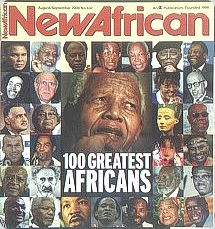
- Emeagwali Voted History's 35th
Greatest African
In top 35: Mandela, Nkrumah, Pele, Bob Marley, Malcolm X, Martin Luther King.
- Supercomputer Guru Out of Africa, Into
Future
- Globalization Not New; Look
at Slave Trade
Emeagwali's famous speech, see photo essay.
- They
Laughed When I Told Them....
But Their Laughter Turned into Stunned Silence
- So
You'd Like to... Get an A Plus?
(on Emeagwali school reports)
Biography - 250 pages
100 Posters
50 Pictures
10 Invention Drawings
100s Educational Merchandise
Awards & Prizes
Timelines
POSTERS
FREE digital
photos for your printer.
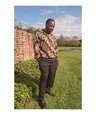
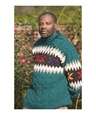
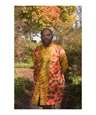
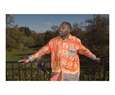
Click on images to enlarge and order posters for your school.
|
| |||||||||||||||||||||||||||||||
| |||||||||||||||||||||||||||||||


INSPIRING POEMS
Emeagwali Had An Idea
Ikenga for Emeagwali
A Father of the Internet
King God Emeagwali
A page
in this book "History of the Internet" described
CNN Calls Emeagwali:
In reality, It was not even born Take the trail of Emeagwali theorized Using 65,000 processors,
Bill
Clinton explained, Yet his invention is one that, Certainly,
Theorized Internet-Supercomputer
Emeagwali's discovery of a formula
Emeagwali reformulated Emeagwali's 65,000 processors,
When Emeagwali won
Emeagwali is the
Clinton Calls He had to leave school Some people call him But what I want to say I thought about it That's really what education is. 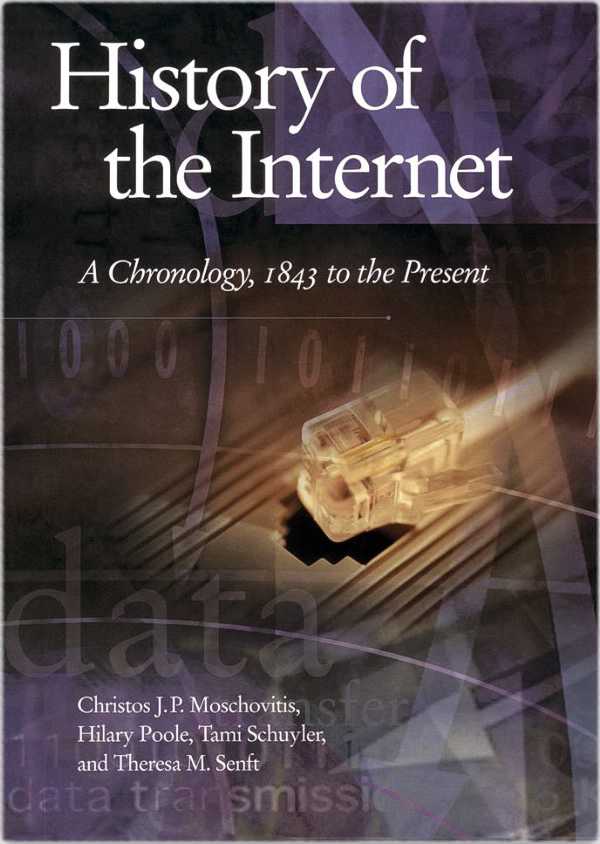
the theorized
Internet-Supercomputer invented by Emeagwali.
A
FATHER OF THE INTERNET
Asking:
"Who is the
Father of the Internet?"
is like asking:
Who invented
the supercomputer
that gave
rise to
the Internet.
no one individual
invented the Internet alone.
It has many fathers,
as well as mothers,
uncles, and aunts.
at one place
or time.
Instead,
it
grew organically and
incrementally,
following trails
that are
non-intersecting.
Philip Emeagwali,
whom CNN
called
"A
Father of the Internet."
that 65,000 computers
around the Earth
could forecast the weather.
His theoretical supercomputer,
with 65,000 nodes,
is known today as the Internet.
he invented a formula
that inspired
the reinvention of the supercomputer
as thousands of electronic
brains
that occupies the space of
four tennis courts.
in a televised speech
(as president)
that Emeagwali's formula
helped give rise
to the age of
information.
unfortunately,
few of us
recognize.
inventions such as this
deserve better.
After
all,
can you send your email
without computers and
the
Internet?
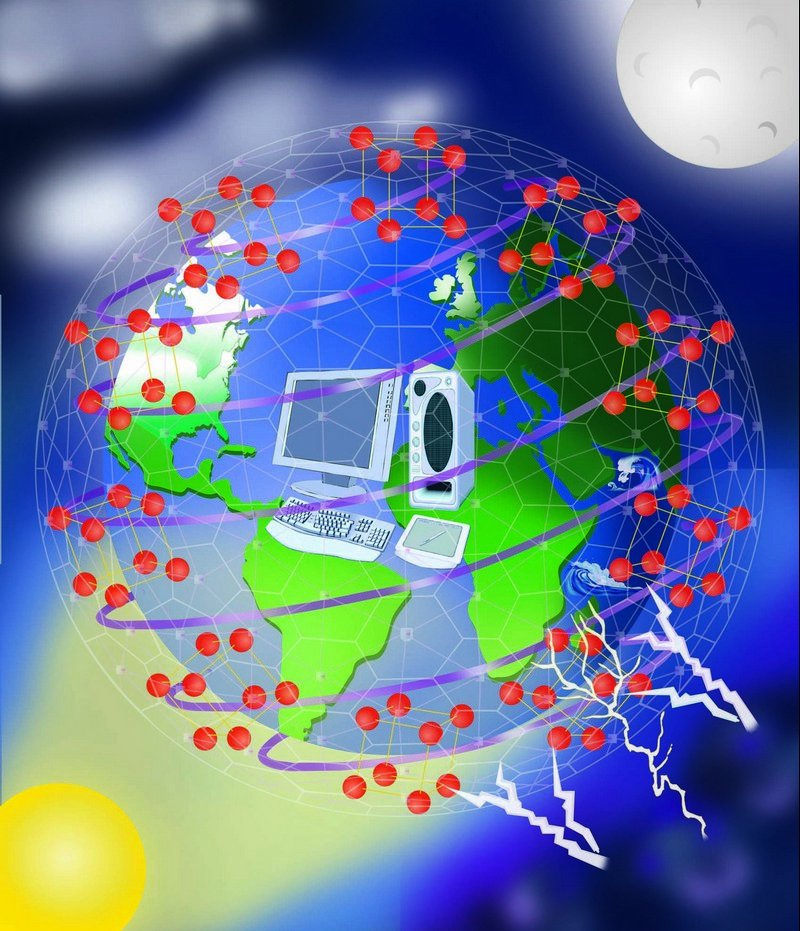
invented by Emeagwali.
Emeagwali's Discoveries Helped
REINVENT THE
SUPERCOMPUTER
The word "computer"
was coined 700 years ago.
If history
repeats itself,
the supercomputer of today will become
the
computer of tomorrow.
that enables supercomputers
powered by 65,000 electronic brains
called "processors"
to
perform
the world’s fastest calculations
inspired the reinvention
of supercomputers -
from the size and shape of a loveseat
to a
thousand-fold faster machine that occupies
the space of four tennis
courts,
costs 400 million dollars a piece,
powered by 65,000
processors and
that can perform
a billion billion calculations
per second.
Newton’s Second Law of Motion
as 18
equations and algorithms;
then as 24 million algebraic equations;
and finally
he programmed
and executed those equations
on
65,000 processors
at a speed
of 3.1 billion calculations per
second.
24 million equations
and 3.1
billion calculations
were three world records
that garnered
international headlines,
made mathematicians rejoice,
and caused
his fellow Africans
to beam with pride.
the 1989 Gordon Bell prize,
the “Nobel Prize
of Supercomputing,”
then-president Bill Clinton called him
“one of
the great minds
of the Information Age.”
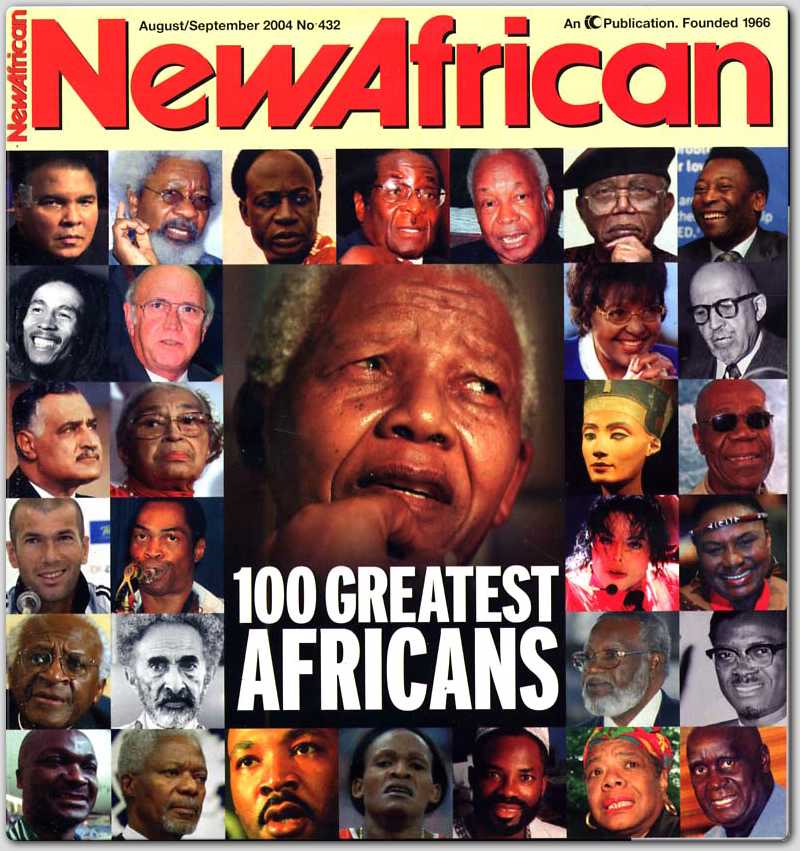
The New African
magazine readers
ranked him as
history's greatest scientist
of
African descent.
Most Searched-For Scientist
Emeagwali is the World's
Top Scientist
Internet poll of 300 million daily
searches proves it. 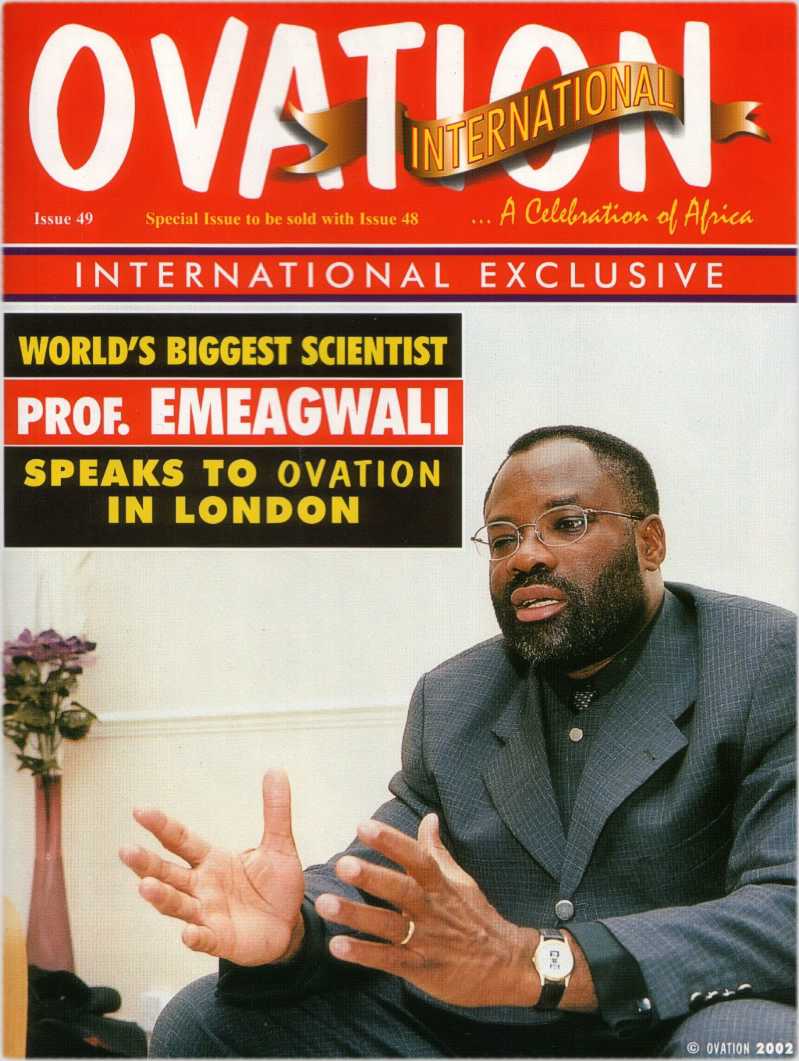
Emeagwali a "Great Mind"
Excerpt from his White
House
televised speech:
"One of the great minds
of the Information Age
is a Nigerian
American
named Philip Emeagwali.
because his parents
couldn't pay the
fees.
He lived in a refugee camp
during your civil war.
He won
a scholarship
to university and went on
to invent a formula
that lets computers make
3.1 billion calculations
per second.
(Applause.)
the Bill Gates of Africa.
(Laughter and
applause.)
to you is there is
another Philip
Emeagwali
-- or hundreds of them --
or thousands of them
--
growing up in Nigeria today.
when I was driving in
from the airport and
then driving around
to my appointments,
looking into the face
of children.
You never know
what potential
is in their
mind and
in their heart;
what imagination they have;
what they
have already
thought of and
dreamed of
that may be locked in
because they don't have
the means to take it out.
It's our responsibility
to
make sure
all your children
have the chance
to live their
dreams
so that
you don't miss
the benefit
of their
contributions and
neither does the rest of the world."
More info: biography, blogs, articles, pictures,
and photo
essay.
Click on emeagwali.com for more information.